resources
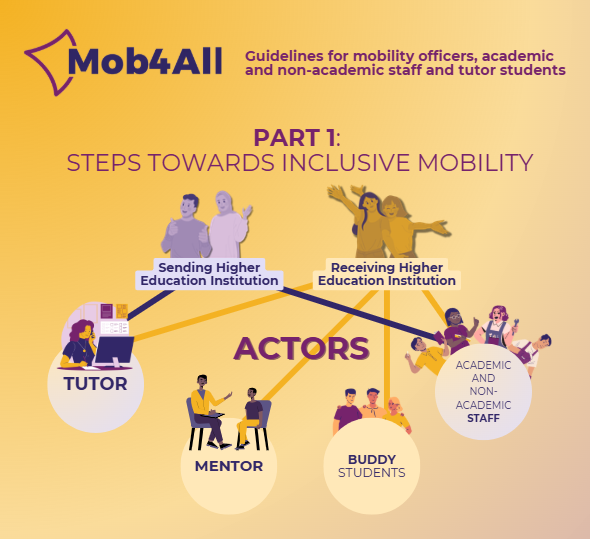
Infographic summarizing the steps towards inclusive mobility and Guidelines for Mobility Officers, Academic and Non-Academic Staff and Student Tutors, the purpose of which is to assist mobility officers, academic and non-academic staff and tutors in adopting and implementing procedures for guiding, hosting, supporting and implementing mobility programmes.
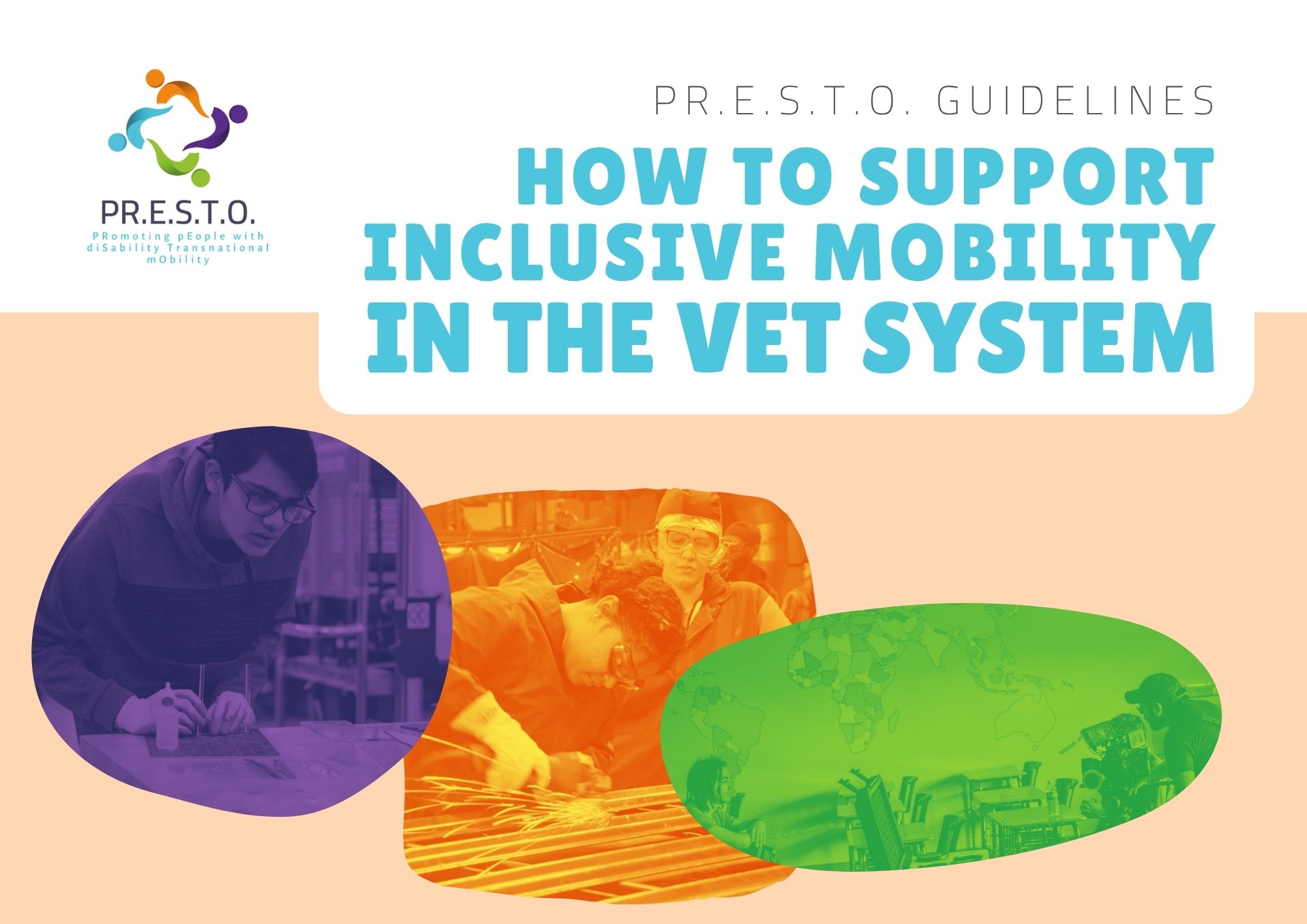
The PR.E.S.T.O. Guidelines have been designed to promote and encourage VET mobility designers and VET managers to promote the participation of learners with intellectual disabilities (ID) in training or work mobility experiences abroad.
The Guidelines offer some relevant figures, information, facts, suggestions and testimonies aimed at fostering the participation of learners with intellectual disabilities in successful work placement experiences abroad.
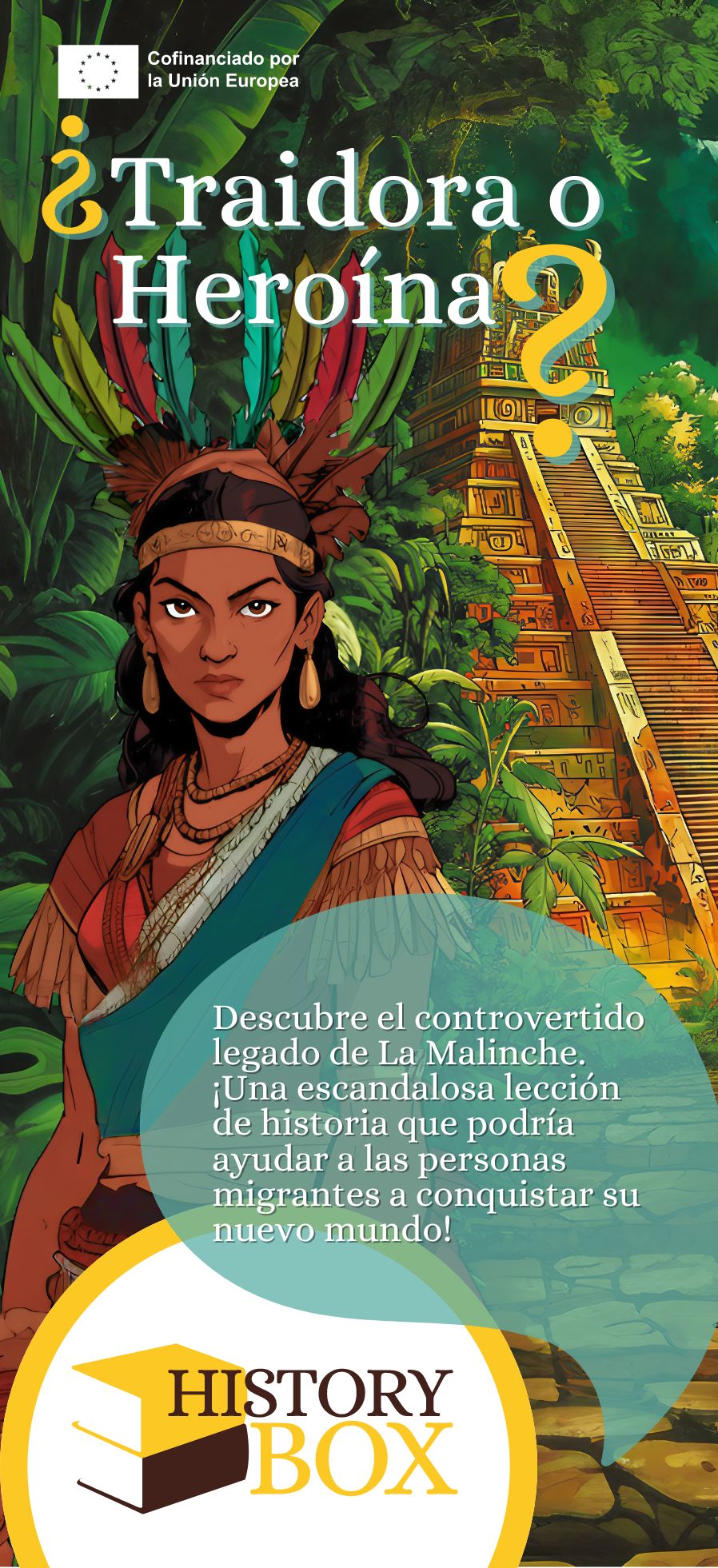
Outreach tools to raise awareness and educate. Flyers from the History Box kit to help refugees, immigrants and students on language and integration courses immerse themselves in the most important aspects of their host country's past.
This resource comprises 3 key documents from the European DIGINEXT project (Austria, Greece, Italy, Romania and Spain, focusing on rural areas such as Andalusia and Sicily): a report presenting project findings, a report on identified digital needs and a country-by-country guide to digital resources. Aimed at cultural practitioners, Local Action Groups (LAGs) and rural managers.
The DIGINEXT e-Rural Inclusion Training Course is part of an Erasmus+ initiative aimed at fostering digital skills among adults and seniors residing in rural areas across Europe.
This initiative bridges the gap between higher education institutions and rural communities, empowering individuals with the digital competencies necessary for active
participation in today's increasingly digital world.
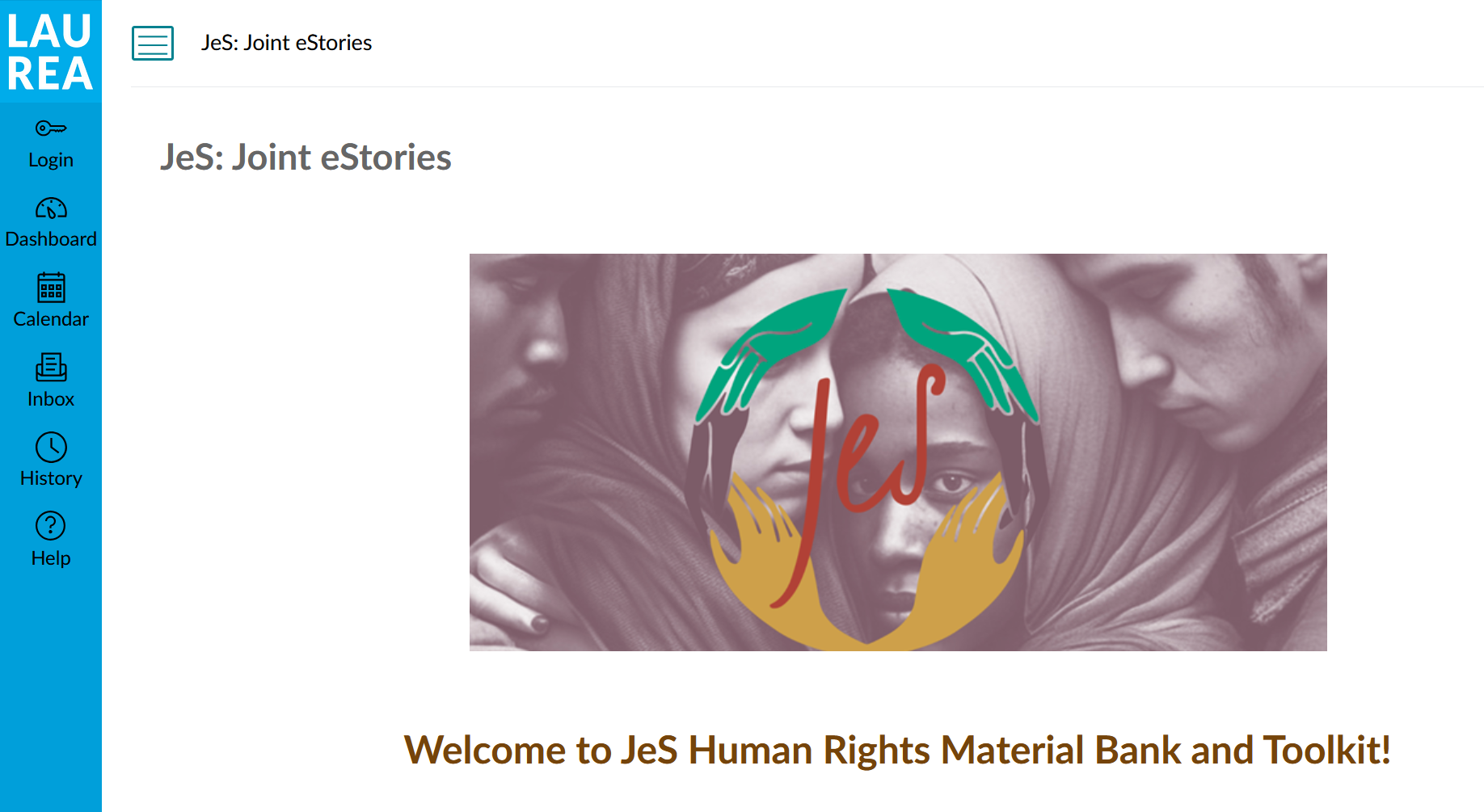
A tool bank, developed from the JeS project, containing interesting research, stories and other materials related to human rights, focused on teaching, education and training.
Human stories collected during the JeS project workshops. They have been modified using narrative techniques to protect the identity and privacy of the participants.
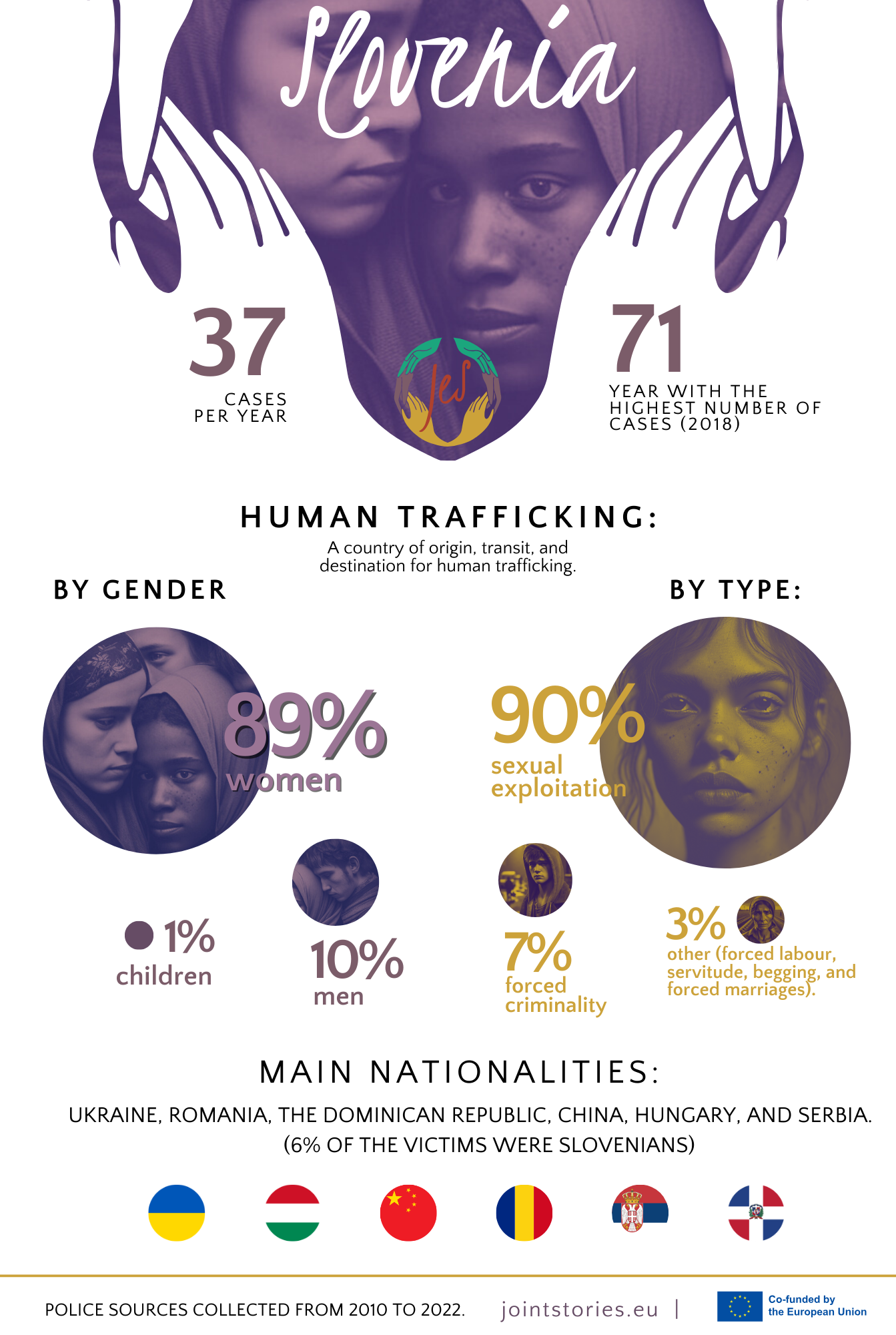
Reports and infographics from the JeS project's joint research on trafficking and forced labor of undocumented migrants.